
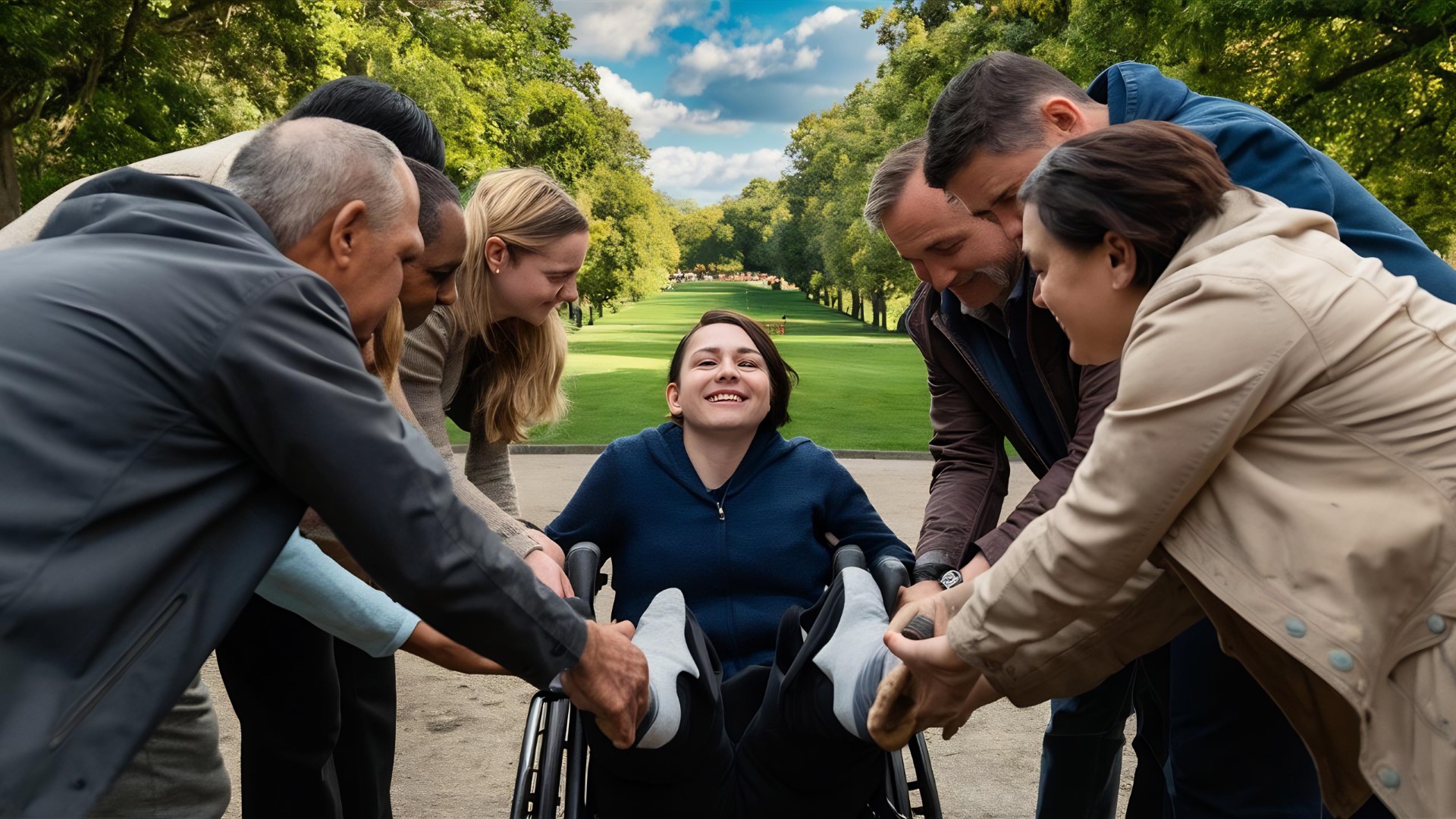
Recovery looks different for everyone.
Some people focus on building confidence after a mental health setback. Others work towards managing daily routines, improving relationships, or reconnecting with their community. The process takes time, support, and consistency.
For many NDIS participants living with mental health conditions, navigating services and daily challenges feels overwhelming. This is where an NDIS psychosocial recovery coach plays an important role.
A recovery coach helps participants build skills, strengthen independence, and move towards personal recovery goals in a way that suits their individual needs.
If you are new to the NDIS or trying to understand psychosocial supports, here’s what a recovery coach does and how this support helps participants regain control over their lives.
What Is an NDIS Psychosocial Recovery Coach?
An NDIS psychosocial recovery coach is a specialised support role designed for participants living with psychosocial disability.
Psychosocial disability refers to the impact a mental health condition has on daily functioning, relationships, social participation, and independence.
A recovery coach NDIS professional works alongside participants to help them:
- Build recovery skills
- Understand available supports
- Manage challenges
- Strengthen independence
- Connect with services and community supports
- Work towards personal goals
Unlike some traditional support roles, recovery coaching focuses strongly on long term recovery and personal growth.
The approach is collaborative. Participants remain involved in decisions about their goals, routines, and support strategies.
What Does a Recovery Coach Actually Do?
A recovery coach supports both practical needs and emotional wellbeing.
Their role often includes:
Helping Participants Understand Their NDIS Plan
NDIS plans and funding categories sometimes feel confusing, especially during periods of stress or mental health challenges.
A recovery coach explains:
- Available supports
- Capacity building funding
- Service options
- Plan goals
- How to use supports effectively
This guidance helps participants feel more confident managing their plan.
Building Daily Living Skills
Mental health conditions often affect routines and daily functioning.
A recovery coach may help participants improve:
- Time management
- Appointment scheduling
- Community participation
- Communication skills
- Independent living routines
- Social confidence
These skills support long term independence and recovery.
Coordinating Supports
Many participants access multiple services at once.
This may include:
- Psychologists
- Support workers
- Social workers
- Housing services
- Employment providers
- Community programs
A recovery coach helps coordinate these psychosocial disability supports so services work together more effectively.
Supporting Crisis Planning
Mental health recovery is not always linear.
Some participants experience periods of increased stress, anxiety, or reduced functioning. Recovery coaches help develop strategies to manage these situations before they escalate.
This may involve:
- Identifying triggers
- Creating wellness plans
- Building coping strategies
- Connecting with crisis supports
The goal is to strengthen stability and preparedness over time.
How Is a Recovery Coach Different From a Support Coordinator?
This is a common question among participants and families.
While both roles help participants access services, there are important differences.
A support coordinator mainly focuses on organising services and implementing the NDIS plan.
An NDIS psychosocial recovery coach takes a more recovery focused approach. Their role places stronger emphasis on mental health recovery support, emotional wellbeing, resilience, and skill development.
Recovery coaches often have lived experience or specialised mental health training, which helps them understand the unique challenges participants face.
Who Can Access a Recovery Coach?
Recovery coaching is available to eligible NDIS participants living with psychosocial disability.
This support is usually funded under capacity building psychosocial supports within an NDIS plan.
Participants experiencing conditions such as:
- Anxiety disorders
- Depression
- Bipolar disorder
- Schizophrenia
- Complex trauma
- Other persistent mental health conditions
may benefit from recovery coaching if their condition significantly impacts daily life.
The NDIA considers how mental health affects functioning rather than focusing only on diagnosis.
What Does Recovery Look Like?
Recovery means different things for different people.
For one participant, recovery may involve returning to study or employment. For another, it may focus on building social connections or managing daily routines independently.
A recovery coach helps participants define goals that matter personally to them.
Examples include:
- Attending community activities regularly
- Rebuilding confidence after hospitalisation
- Improving self care routines
- Strengthening relationships
- Managing appointments independently
- Reducing social isolation
The focus stays on progress, not perfection.
Real Life Example of Recovery Coaching
Consider a participant named Michael.
Michael lives with severe anxiety and depression. After several difficult years, he feels disconnected from services and struggles with daily tasks. He misses appointments, avoids social situations, and feels overwhelmed managing his NDIS plan.
Through recovery coaching, Michael begins setting small achievable goals.
His coach helps him:
- Create a weekly routine
- Connect with community activities
- Attend mental health appointments consistently
- Build confidence using public transport
- Understand his NDIS funding
Over time, Michael becomes more independent and socially connected. The support does not remove challenges completely, but it helps him build strategies and confidence to manage them more effectively.
This reflects the purpose of mental health recovery support through the NDIS.
Why Capacity Building Matters
Capacity building psychosocial supports focus on developing long term skills rather than short term assistance alone.
This approach helps participants:
- Increase independence
- Strengthen resilience
- Improve decision making
- Build social participation
- Develop confidence in daily life
Skill development creates more sustainable outcomes over time.
Instead of relying entirely on others, participants gradually build tools and strategies to manage challenges more independently.
What Makes Effective Recovery Coaching?
Strong recovery coaching is built on trust, respect, and collaboration.
Participants often respond best when coaches:
- Listen without judgement
- Encourage independence
- Respect individual goals
- Communicate clearly
- Provide consistent support
- Focus on strengths rather than limitations
Recovery takes time. Progress often happens through small steps repeated consistently.
The right support relationship makes a significant difference.
Choosing the Right Recovery Coach
Finding the right recovery coach NDIS provider matters.
Participants should feel comfortable, respected, and involved in decisions about their support.
When choosing a provider, consider:
- Mental health experience
- Communication style
- Understanding of psychosocial disability
- Flexibility and responsiveness
- Focus on participant goals
A good recovery coach works alongside the participant, not above them.
Supporting Recovery Through the Right Partnership
Living with psychosocial disability presents unique challenges, but meaningful recovery remains possible with the right support network.
At Arise Community Support Services, we provide compassionate and personalised psychosocial disability supports focused on independence, confidence, and long term wellbeing. Our team works closely with participants to create recovery focused supports tailored to individual goals and life circumstances.
The right support should help you build skills, strengthen confidence, and move forward at your own pace.