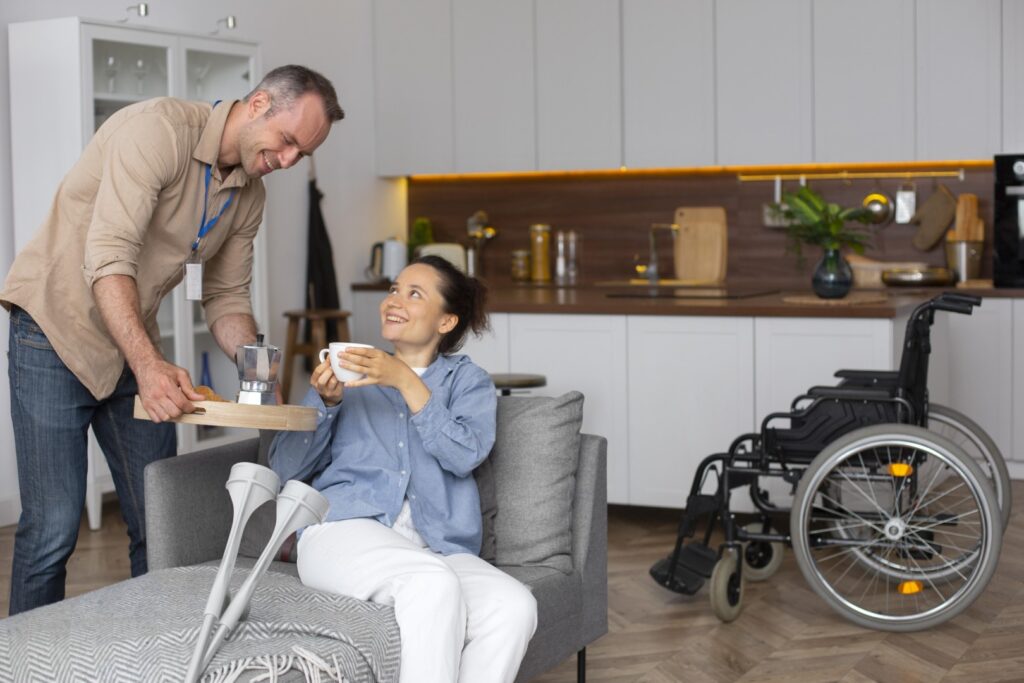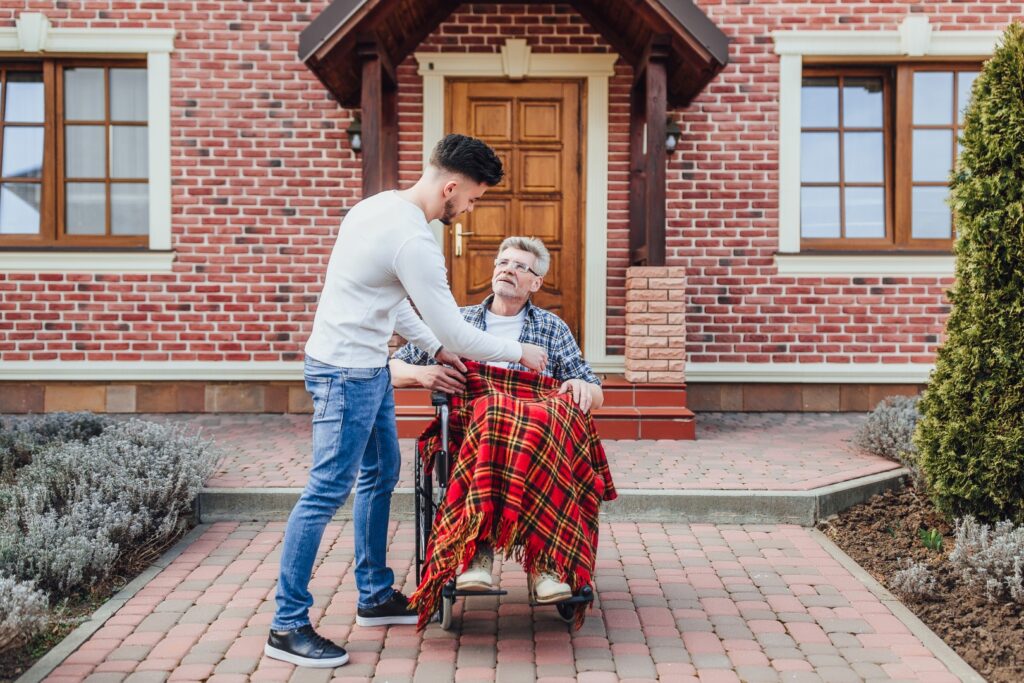

Do you feel worn out by daily tasks that should feel simple, like showering, cooking or getting out the front door safely
For many NDIS participants, support workers help a lot, yet the home still feels hard to move around. That is where NDIS assistive technology and NDIS home modifications step in. Equipment, smart devices and small building changes work together with support work, so life at home feels safer and more manageable.
Arise Community Support Services delivers behaviour informed, person centred NDIS support across Adelaide and nearby suburbs. The team works in homes and the community, and often supports participants who already use assistive devices NDIS funding has paid for, or who plan to explore them with their therapy team.
What Is NDIS Assistive Technology
The NDIS describes assistive technology as equipment or devices that help you do things you cannot do because of disability, or help you do those things in a safer or easier way.
Examples of NDIS assistive technology include
• grab rails, shower stools and non slip mats
• wheelchairs and walkers
• hoists and transfer aids
• communication devices and apps
• smart home devices that support prompts or remote control
The NDIS funds assistive devices NDIS plans where those items meet the “reasonable and necessary” test and line up with your goals. Items range from low cost aids, such as kitchen tools, through to high cost equipment, such as powered wheelchairs or specialist beds.
What Are NDIS Home Modifications
Home modifications are custom changes to the structure, fittings or layout of your home that make daily life safer and more independent. The NDIS lists examples such as ramps, bathroom changes, widened doorways and changes that improve access for carers who provide support.
Broad categories include
• Minor home modifications
These remain low risk, non structural and lower cost. Common examples are handrails, step wedges, simple ramps or handheld showers.
• Complex home modifications
These changes affect structural parts of the home or involve higher cost and risk, such as major bathroom rebuilds or internal lifts.
Occupational therapists and home modification assessors describe what you need, and builders follow NDIS guidelines and building codes.
For participants in Adelaide, NDIS home modifications Adelaide funding aims to keep people in local homes and communities, instead of early entry to more restrictive settings.
How Assistive Technology And Support Work Fit Together
Support workers already play a big role in daily life. NDIS assistive technology does not replace that relationship. Instead, equipment and home changes alter the way support looks. Often, support shifts from “doing for” toward “doing with”.
Here are common ways assistive devices NDIS funding and support work line up.
- Safer transfers and mobility
Lifters, slide sheets, transfer boards and height adjustable beds reduce strain on both the participant and support worker. Fewer manual lifts mean lower injury risk and more dignity. Support workers from Arise follow training from therapists and PBS practitioners when they use this gear, so safety and behaviour needs stay front of mind.
- More independence with daily living
Simple NDIS assistive technology, such as long handled sponges, tap turners or light cutlery, supports people to complete parts of tasks alone. A support worker then steps in for harder sections. Sessions start to look like coaching instead of full physical care.
- Communication and behaviour support
Communication devices, schedule apps and smart displays allow people to express needs, follow visual routines and call for help. Support workers read and update those systems during shifts. That consistency makes behaviour support plans easier to follow, especially for people who feel distressed during change.
Home Modifications That Work Well With Support Work
NDIS home modifications Adelaide projects often grow from daily patterns that support workers notice. A few examples from typical support plans help show the link.
- Bathroom access
An occupational therapist recommends a level access shower, grab rails and a fold down seat. Once work finishes, support workers from Arise help the participant practise showering with new equipment. Over time, the person manages more of the routine alone, while the worker steps back or waits nearby.
- Ramps and entrances
Before a ramp, leaving home required heavy lifting of a wheelchair and awkward support. NDIS home modifications add a compliant ramp and handrails. Support workers now assist with safe rolling and supervision, rather than full lifting. Community access opens up, without extra strain on anyone.
- Kitchen changes
An assessment suggests lower benchtops, lever taps and clear storage. After those modifications, support workers focus on skill building such as safe knife use, meal planning and cleaning up. The environment no longer blocks participation.
Three Real Life Style Scenarios
Here are three blended examples that reflect the way NDIS assistive technology, NDIS home modifications and support work link up in everyday life.
Scenario 1
Ella lives with cerebral palsy and uses a power chair. NDIS assistive technology covers the chair, a portable hoist and communication software on a tablet. A minor bathroom modification adds a ceiling track. Support workers from Arise use the hoist for transfers and the tablet for communication during personal care, which leads to fewer misunderstandings and less stress at shower time.
Scenario 2
George has sensory needs and high anxiety. NDIS home modifications Adelaide funding supports sound proofing in his bedroom and block out blinds. Smart lighting and a visual schedule app sit under assistive devices NDIS funding. Support workers follow the schedule, dim lights at set times and help George use a tablet to request breaks. Escalations around bedtime reduce and sleep improves.
Scenario 3
Aunty Leila experiences chronic pain and fatigue. A walker, shower stool and adjustable bed sit under NDIS assistive technology. Minor home modifications include rails at the front steps and rails in the bathroom. Support workers no longer perform heavy lifts, and shift time moves toward meal preparation, community visits and companionship. Overall quality of life improves because the physical environment supports her instead of blocking her.
How Arise Community Support Services Fits In
Arise Community Support Services does not supply NDIS assistive technology or complete building work. Instead, the team partners with participants, therapy providers and builders to make sure support workers understand how to work safely with each device or modification.
Arise offers
• support workers, mentors and peer workers trained in mental health and behavioural frameworks
• services across Adelaide and nearby suburbs, in homes and the community
• strong focus on person centred care and dignity day to day
When a new piece of equipment arrives, or when NDIS home modifications Adelaide projects finish, Arise staff attend training from therapists, read instructions with you and practise safe routines. The aim stays the same each time. Support work, assistive technology and home design all pull in the same direction, instead of working at cross purposes.
Practical Steps If You Want To Explore AT Or Home Mods
If you feel unsure where to start, try this simple checklist.
• Talk with your occupational therapist or GP about daily tasks that feel hardest
• Check your NDIS plan for assistive technology funding or capital support for NDIS home modifications
• Take photos of tricky areas at home, such as narrow bathrooms or steep steps
• Share those with your support coordinator and Arise support workers so everyone sees the same picture
• Ask providers to explain how new assistive devices NDIS funding covers will change daily routines with support workers
Next Steps
The right equipment and home design turn daily frustration into manageable routines. Support workers then spend more time on connection, skills and community life, rather than fighting against an unhelpful environment.
If you live in Adelaide or surrounding suburbs and want support that works smoothly alongside NDIS assistive technology and NDIS home modifications Adelaide, reach out to Arise Community Support Services. The team listens to your goals, links in with your therapy providers and shapes support so your home, your devices and your workers all support the life you want.