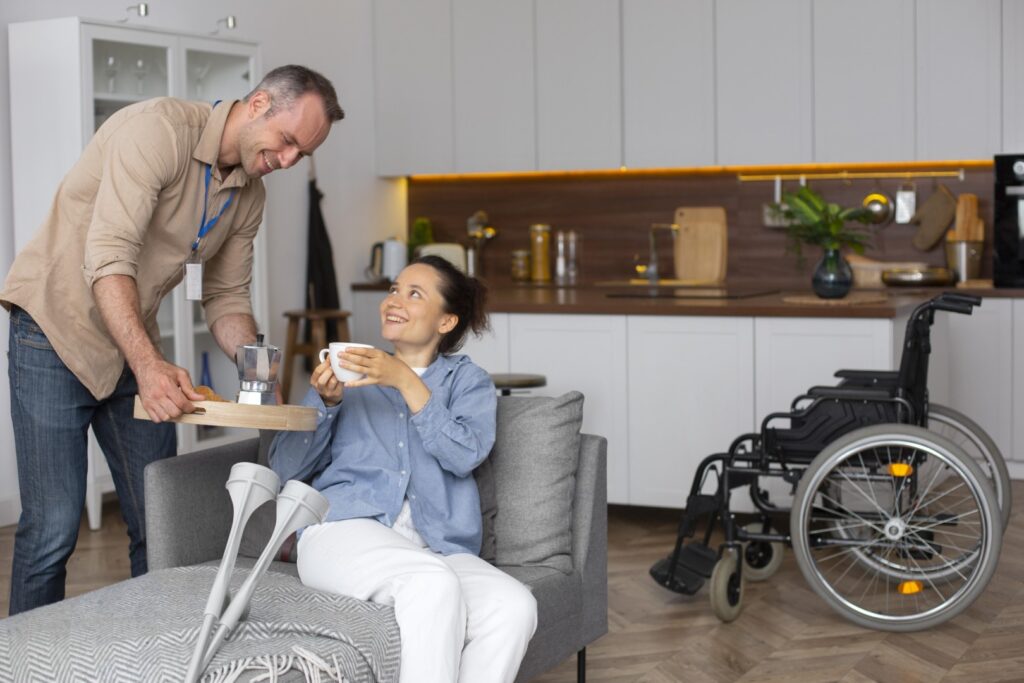

You might feel stuck between two needs. You want safe housing for your family member. You also want a home that supports independence, reduces risk, and makes daily supports easier.
Specialist Disability Accommodation, often shortened to SDA, sits inside the NDIS home and living space. It supports a small group of participants with the highest housing needs. Many Adelaide families hear the term, then hit a wall of unclear language.
This guide explains SDA Adelaide in plain terms, with practical steps you can use before your next planning meeting.
What SDA Means In The NDIS
SDA is the housing itself. Think of the physical design, build, and features of the home. It is not the day to day support delivered inside the home.
The NDIA describes SDA as “a range of housing designed for people with extreme functional impairment or very high support needs.”
This is why people often say specialist disability accommodation explained as “bricks and mortar.” It focuses on the dwelling features that improve access, safety, and support delivery.
SDA housing NDIS funding may cover part of the cost of the specialist home. You still pay rent and everyday living costs, which families often overlook early in the process.
Who SDA Is For
SDA is not a standard housing pathway. Most participants will not receive SDA funding. The NDIA sets tight criteria.
SDA eligibility discussions often focus on questions like these.
• Does the person need housing features that reduce safety risks, such as falls, choking, seizures, or wandering
• Does the person need housing that supports complex equipment, such as hoists, ceiling tracking, or assistive technology
• Does the home layout need to reduce supervision demands so supports stay safe and sustainable
• Does the specialist home reduce total support costs over time, while improving outcomes
Families in Adelaide often start the SDA Adelaide search after a change. A hospital discharge. A carer burnout point. A long wait for suitable housing. A breakdown in a previous living arrangement.
SDA Design Categories
SDA homes follow design requirements. The SDA Design Standard includes four SDA design categories.
Improved Liveability
This category suits participants who benefit from design features that support sensory, cognitive, or intellectual needs. It often includes clearer wayfinding, safer layouts, improved lighting, and easier to use fittings.
Robust
Robust SDA aims to reduce risk of damage and support safer use of the home for participants who need a more durable build and layout. It often includes stronger materials and design choices that reduce hazards.
Fully Accessible
Fully Accessible SDA supports participants with significant physical access needs. It often includes step free entry, accessible bathrooms, and wheelchair friendly circulation space.
High Physical Support
High Physical Support SDA suits participants with the highest physical support needs and may include features designed for complex assistive technology and care delivery.
A simple family tip. Do not choose a category based on what looks best. Choose based on functional need and evidence. The wrong category delays approvals and creates poor fit after moving.
How SDA Funding And Rent Work
SDA funding covers the specialist housing component. You still contribute to rent and household costs.
Most SDA residents pay a Reasonable Rent Contribution, often shortened to RRC.
It helps to separate three money streams.
• SDA funding, paid to the SDA provider for the dwelling
• Supports inside the home, such as Supported Independent Living or in home supports, funded separately
• Your rent contribution and everyday living costs, such as groceries, utilities, and personal spending
Ask each provider for a clear breakdown before you sign anything.
Common Adelaide Pathways Into SDA
SDA rarely happens in one step. Many people move through a transition phase first.
In Adelaide, a common pathway looks like this.
- Evidence gathering and functional assessments
- An NDIS plan review or change request to include SDA
- Temporary housing while waiting for approval or for a suitable vacancy
- Matching, viewings, and service agreements
- A supported move with capacity building goals
Medium Term Accommodation often supports the waiting period. Arise Community Support Services describes MTA as temporary housing funded for up to 90 days, including when you are waiting for SDA to be finalised.
What To Prepare For An SDA Eligibility Conversation
Use this checklist before a planning meeting or review.
- Document the housing barriers
Write short examples. Falls risk. Unsafe bathroom transfers. Overnight supervision needs. Inability to access kitchen safely. - Gather evidence
An OT functional capacity assessment often supports the request. Add letters from allied health or specialist clinicians where relevant. - Link to NDIS goals
Tie housing to outcomes. Daily living skills. Safety. Reduced reliance on crisis responses. Community participation. - Compare options
Show why mainstream housing does not meet needs, even with supports. - Show value for money
Explain how SDA reduces risks or reduces total support intensity over time, while improving quality of life.
What Families Often Get Wrong
These issues show up often in SDA Adelaide enquiries.
• Mixing up SDA and SIL. SDA is the home. SIL is the support roster inside the home.
• Assuming SDA covers all costs. You still pay rent contribution and living expenses.
• Choosing a design category without functional evidence. This often delays approvals.
• Waiting until crisis point to start evidence collection. Evidence takes time.
How Arise Community Support Services Fits Into The Picture
Arise Community Support Services delivers NDIS support in Adelaide across daily living, community access, respite, and accommodation supports such as SIL, STA, and MTA.
For families exploring SDA housing NDIS options, the right support team helps in two ways.
• Stable day to day support while housing decisions progress
• Practical transition support, especially if you need STA or MTA while waiting for SDA outcomes
Next Step For Adelaide Families
SDA works best when the home matches real need and the right design category. The process moves faster when you bring clear evidence, clear goals, and a transition plan.
If your family is exploring SDA Adelaide pathways and you need support through daily living, community access, or short term accommodation while you plan, Arise Community Support Services is a local Adelaide option for practical NDIS support.